
If you've been dealing with persistent muscle pain or tightness, you may have heard about dry needling (or Intramuscular Stimulation/IMS) as a treatment option. This technique has gained popularity in physiotherapy for its effectiveness in treating muscle-related pain.
What is Dry Needling?
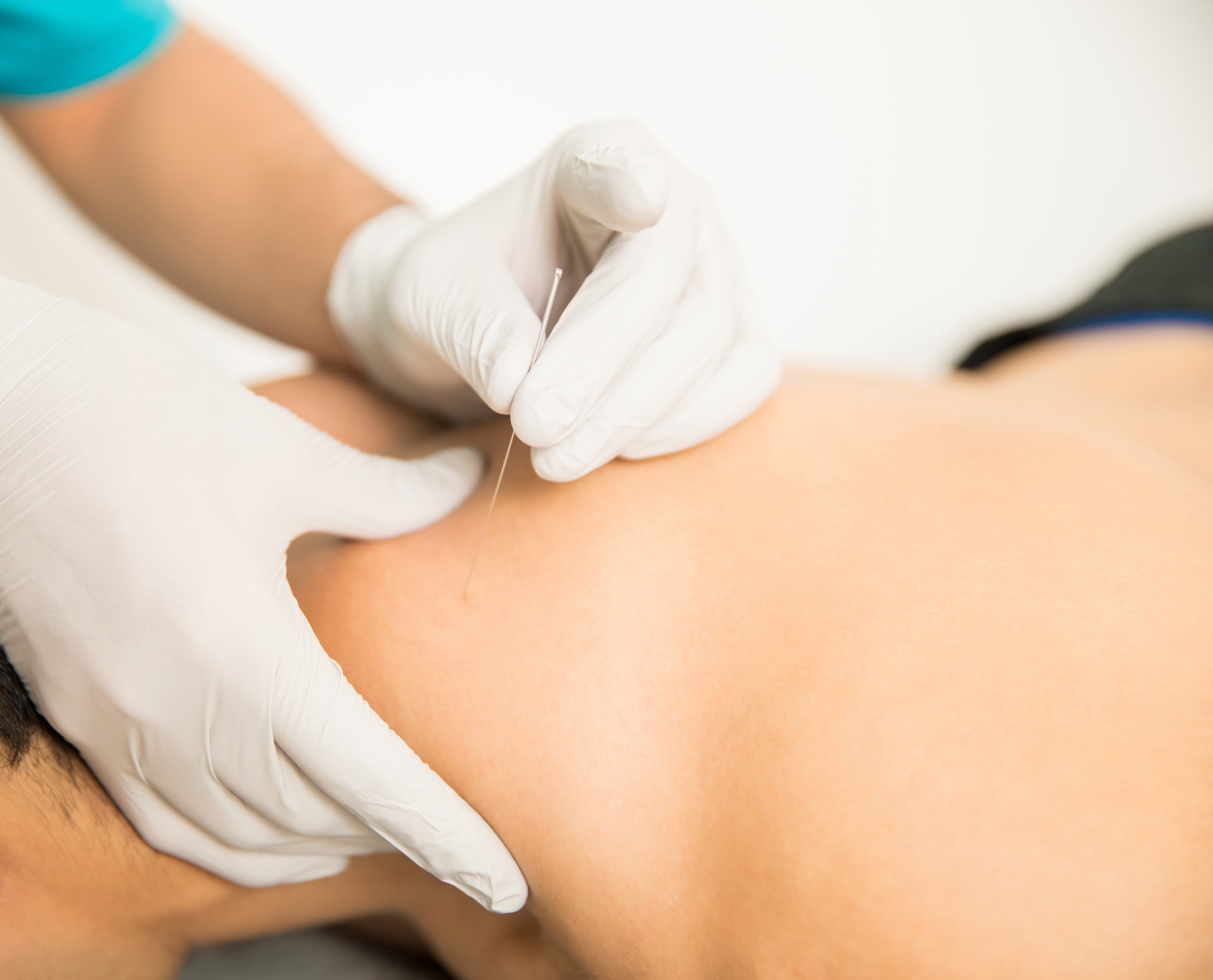
Dry needling involves inserting thin, sterile needles into trigger points—tight bands of muscle that can cause pain and restrict movement. Unlike acupuncture, which is based on traditional Chinese medicine, dry needling is grounded in Western medical principles and targets specific muscular issues.
How Does It Work?
When a needle is inserted into a trigger point, it can cause a local twitch response—a brief contraction of the muscle. This helps release the tight band, improve blood flow to the area, and reduce pain. The needle also stimulates the body's natural healing response.
Example Conditions Treated with Dry Needling:
• Neck and back pain
• Shoulder pain and rotator cuff issues
• Tennis elbow and golfer's elbow
• Headaches and jaw pain
• Hip and knee pain
What to Expect During Treatment:
During a dry needling session, you may feel a brief pinch as the needle is inserted, followed by a deep ache or twitch when the trigger point is reached. Most people find the treatment tolerable.
After treatment, you may experience some soreness similar to post-exercise muscle ache. This usually resolves within 24-48 hours. Many patients notice improvement after just one or two sessions, though a series of treatments may be recommended for optimal results.